truly blessed?

The optimist sees the rose and not its thorns; the pessimist stares at the thorns, oblivious of the rose. Khalil Gibran

I say – The gardener who can see beyond the greenfly is truly blessed.

but if you cant.. then it is time to attract some Ladybirds (Coccinellidae)

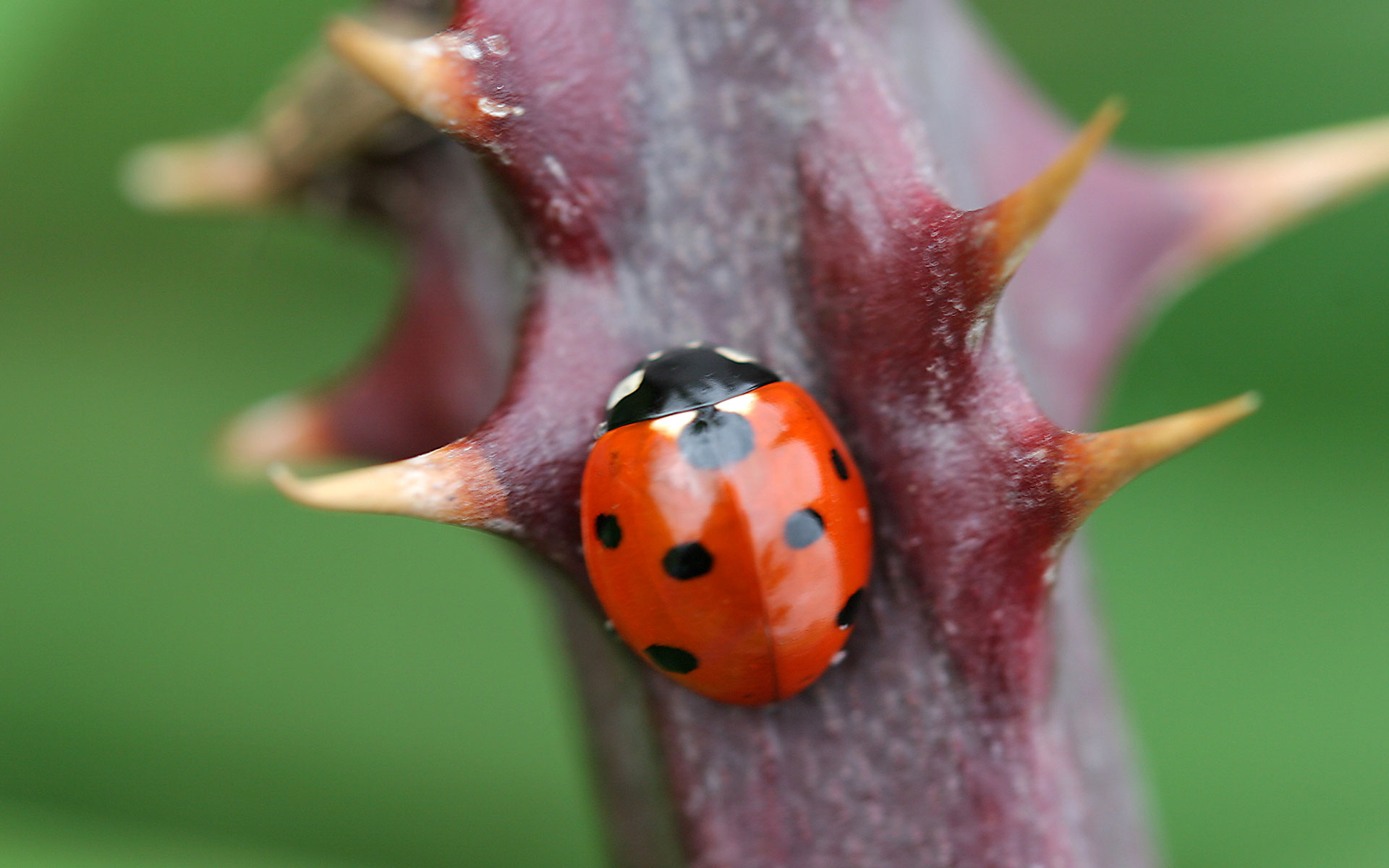
imagesCA139IV8ladybird-thorny-branch

Some years ladybirds are around all summer, others a short sojourn; lifecycle duration varies upon weather patterns (temperature and humidity). They hibernate October to February, but often not visible in numbers until April. This month is their mating season and soon their numbers will swell.

Id: The ladybird perhaps most familiar is the 7-spot ladybird, the one from childhood books; 5 – 8mm long, red body with black polka dots. Yet there exists 15 different indigenous species with an array of patination and tonal variance; 14-spots, 18-spots, not all red and black either; The 22spot can be distinctively yellow. There is even a Cream-spot ladybird where the dots are off white not black.

Benefit: one of most active predators not just in quantity consumed but in their hunting practice of searching out prey from dawn to dusk. A single ladybird will consume between 50 to 60 aphids per day (5,000 in its lifetime). Both adults and larvae are predators and they also munch scale insects, mealy bugs, leaf hoppers, and various mites.

How to attract: If already in your locality or neighbouring gardens they will eventually find their way to yours. Tansy attracts but the trick is to make them stay; a welcome place to breed or overwinter – insect hotels or log piles and leaf mould. Their diet requires more than aphids so planting pollen bearers of Umbelliferae family such fennel, angelica and yarrow is good. Remember they lay eggs on nettles. Above all avoid chemical sprays, not only does it kill them upon contact but poisons their food supply.

In many culturies the ladybird is given common names associated with deities – such is the blessing she bestowes on the garden.

Posted in a healthier garden | Tagged , , , , | 1 Comment

getting a brew on – how to make some compost tea

Making a tea of your compost or manure makes it go further. Compost tea is great as a foliar spray to feed plants and supress foliar diseases whereas manure tea is best as a soil drench to invigorate or rejuvenate cultivation beds

How to: There are two ways to make a ‘tea’ of either. Easy way- fill a pillowcase or permeable sack with manure/compost and steep in a bucket/barrel of water for a day to a week to yield nutrient rich liquid fertilizer. The advanced method is to really ‘brew’ a tea, the purpose here is microbial and nutritional benefit and requires a dollop of molasses and some aeration equipment (aquarium pump) inside the bucket/barrel to keep bacteria oxygenated and fed. If using tap water, boil, cool and sit over night before you start brew – to lessen chlorine and other chemicals that inhibit bacterial growth. The brew takes 2-3 days and is used immediately to avail of all the beneficial bacteria.

Posted in a healthier garden | Tagged , , , | 2 Comments

Letting the grass grow under your feet is no bad thing

There is an old saying that the best thing about a lawn is that it provides a place where weeds can stand out and be recognized. And that myth of a high maintenance patch of green that exploded into weeds 10 minutes after you put the lawnmower away, led to a boom in tarmac, cobble lock and concrete drive-ins extending to the entire sq footage of the garden. Shame because an unkempt law provided play opportunities to children and maintained local insect biodiversity, while a manicured lawn added aesthetic value to your home and had some hidden health rewards awarded by its upkeep.

To begin with, hand mowing that lawn can burn as much as 182 calories per half hour of activity, a further 30 minutes raking clippings or leaves burns 162 calories and to finish with a watering session add another 61 calories. Just compare that to a spin class, aerobic dance session or workout class where during high intensity aerobic exercises on average 95 calories are burnt every ten minutes for 57kg (8 stone) individual, 115 calories every ten minutes for a 68kg (10 stone) individual while 134 calories are burnt off every ten minutes for a 80kg (12 stone) individual and 153 calories burnt every ten minutes for a 91kg (14 stone) individual. Maintaining a lawn could be a powerful aid in keeping or getting fit.

If you were to replace a paved area with a new lawn, then sodding with instant turf is convenient and as easy as rolling out a rug, the process will help you burn 404 calories over a single hour of not too intensive labour: lifting, placing, cutting, watering in all work a range of muscles and provide good exercise to the body. And before you get out of breathe thinking about it , do bear in mind that 2.4 meters sq (Twenty-five square feet) of actively growing grass will convert through photosynthesis, enough carbon dioxide to supply one person their daily requirement of oxygen per day.

Traditionally the lawn provides a convenient, safe and clean space for children and adults of all ages to enjoy the outdoors. To partake in sports or leisure activities, as a play ground, entertainment location, enjoy a family day, a ‘friends over’ barbeque, personal sun bathing, morning yoga or just for flat out relaxing. In recent years gardens have become popular as party spaces, a lawn being near essential for marquee or bouncy castle. But lawns have much more to offer and should be appreciated as both a valuable commodity and important resource.

One economic benefit of a lawn is its role in increased real estate value: When it comes time to sell your home or carry out a valuation for a home equity loan, you will receive a higher value if you have a well maintained lawn. That comes from a combination of factors. Lawns help frame a garden border and plant populated or not, they beautify the entrance to your home. Lawns set a tone to a neighbourhood. They create a positive psychological impact by associations with refinement and also a relaxing space. Survey key words associated with lawns include ‘serenity’, ‘privacy’, ‘home’, ‘happiness’.

Lawns have many environmental benefits. Now there are growing movements and personalities across the globe that want every homeowner to take up their lawn and plant a vegetable garden, if you can, go for it, but if you are not into it or that’s not practical to you, that ‘s ok, because a lawn is not the demon thing it gets branded as by such movements. For a start, lawns keeps soil alive and healthy due to the constant microbial activity of actively growing grass. Common sense notes that lawns prevent soil erosion but even more importantly lawns help reduce water run-off and will increase the water table in a positive way by filtering the surface water before it penetrates the soil. An average healthy lawn absorbs rainfall at least six times more effectively than a wheat field, and four times more effectively than a hay field. It is worth noting that a thick turf-grass lawn will enable 15 times less runoff than a lower quality lawn.

Lawns help with climate control; Several American studies have concluded that the front lawns of eight average houses have approximately the cooling effect of 70 tons of air conditioning, a positive occurrence in built up urban areas and during hotter summers. Lawns are also a very successful element of the urban ecosystem to control pollution and improve air quality; not just with oxygen release but with absorbing and fixing airborne pollutants. Grass traps particular matter including dust and pollen, removing those irritants from our breathable air zone and lessening potential for allergic reactions. While below the lush green , in the root system and layers of soil, beneficial microorganism associated with grass enthusiastically breakdown those various pollutants and render them safe.

There are many forms of pollution and urban irritants that grass can help abate, subtly it decreases noise and reflected light. And when it comes to the fight against pollution remember to keep your lawn green: a re-seed and organic feed to elbow out weeds beats chemical feed and weeds. Excessive lawn fertilization promotes rapid waste as well as rapid growth which triggers the necessity to increase mowing frequency. Grass clipping and leaves mowed or blown out onto roadside or street account for phosphate loading of surface water – always compost or use brown bin collections. Utilize organic lawn treatments to pest and problems such as a contact solution of lemon juice and vinegar to kill weeds without resorting to chemicals.

If you still think a manicured lawn is too much work, despite the rewards then remember where we started and let it grow out, have a loose maintenance regime and let your grass become a place where weeds can stand out and be recognized. Recognised by the wealth of butterflies that lay their eggs on weeds and draw nectar alongside other pollinators from weeds. Recognized by the birds that forage for weed seeds and plant material for nest building.

All in all… Wild, manicured or somewhere in between, its good to have the grass growing under our feet.

Posted in a healthier garden | Tagged , , , | Leave a comment

looking nifty on the thrifty

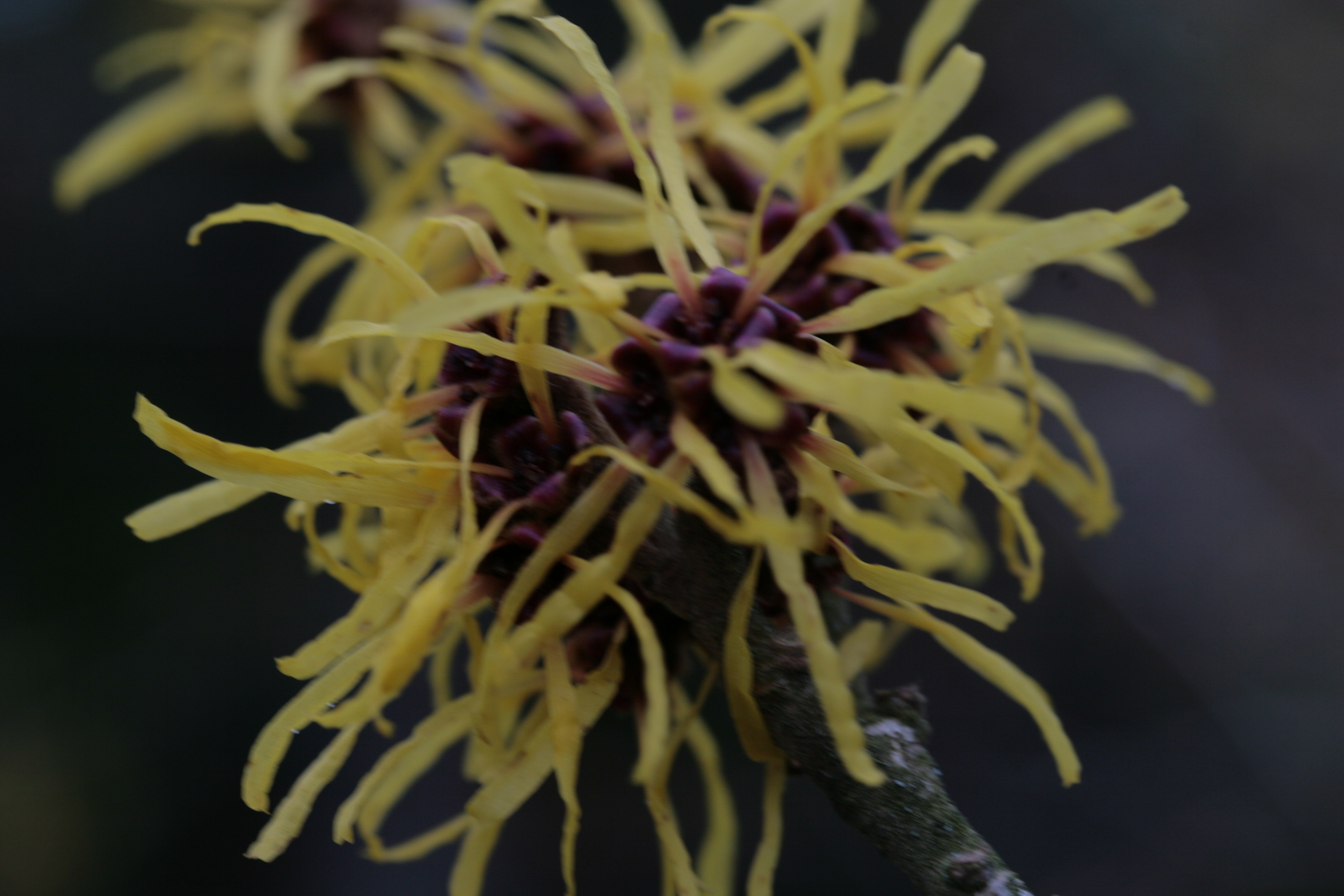
skin tonic for the bewitched

skin tonic for the bewitched

My latest article “the cosmetic garden” with SELFBUILD AND IMPROVE YOUR HOME has hit the shelves today. Heres an extract:

The word cosmetic can conjure a notion of façade (concealer, lip plumper and other trompe l’oeil) or worse in the modern world of neon teeth and tanorexia, charade. But beyond those negative associations of fastidiousness, fear of anonymity and the taint of cover-up (let alone breaches of the trades description act) cosmetic is no bad thing and in reality a human tool as old as fire, fur and smiling. Sounds like an evening at the playboy mansion I know but that said, long before Mr Hefner barbied up the perception of feminine beauty, cave women were investing in the art of staining the lip with the juice of a berry. Yes a pout had clout long before Norma Jean transformed. Evolutionary psychologists may trace lipstick back to a mating signal. Decoration and affectation heralds that intent or receptivity across the animal kingdom and in the plant kingdom sure what is petal but a fancy dress to catch the eye of an eager bee. Showing a bit of colour in your cheek or blushing your blossoms is as natural as anything. If everything is l’amore why not love it.

It goes on to explain how to grow and make your own cosmetics, keeping you looking nifty on the thrifty.

Posted in Gardeners beauty | Tagged , , , , | Leave a comment

Wonderful weeds.

buttercups in bloom at the bloom garden festival - Fiann's 'the great escape' garden  2009

buttercups in bloom at the bloom garden festival – Fiann’s ‘the great escape’ garden 2009

You might be thinking … Wonderful? Weeds? Really!!!

But yeah I think they are wonderful, not just in how they conquer and adapt to situations but beyond their lesson in persistance, they have some great atributes that holistic gardeners can utilize.

We all know that nettles can be made into a nutritious spring soup and that nettle tea or the leaves fermented in a bucket or barrel provides a nutritious meal in the form of a foliar feed for the herbaceous border …. But did you know that the same fermented concoction will provide an insecticide for treating not just aphids but also lice that infect pets and people.

Groundsel (Senecio vulgaris) all be it poisonous and rampant, indicates fertile soil and attracts beneficial insects. It Is rich in Iron and makes a great foliar feed. A decoction of roots and plant parts imparts a healing soak for chapped hands.

Hairy bitter cress (Cardamine hirsute) is far from poisonous and makes a tangy salad crop that is a sweeter alternative to watercress.

Ground ivy (Glechoma hederacea) Has edible Aerial parts that can be gathered in summer for use as an Herbal condiment. Dried or fresh it is suitable as a stuffing and seasoning of dishes that require a bitter spice. Back when Irish monks were educating the world and saving civilization it was cooked as a vegetable and utilized to improve metabolism and stimulate appetite.

Other Monastic vegetables include

Fat hen. (Chenopodium album) a potherb noted for its high content of b1 and b2 calcium, iron and as a source of protein. All in Quantities considerably higher than found in spinach or cabbage. Incidentally, Fat hen’s cousin ‘good king Henry’ (Chenopodium bonus-henricus) is cultivated as a spinach-like crop and populates many herbals and books about herbs.

Ground elder. (Aegopodium podagraria) another spinach-like offering, delicious simmered in butter, that has the benefit of being Remedial to Gout, intestinal diseases and conditions of the kidney and bladder. Compresses of the crushed leaves can be applied to cuts and abrasions of the skin as well as inflamed areas caused by arthritis and gout. It has the vernacular name of ‘gout weed’.

In the pantheon of remedial weeds are

Dandelion (Taraxacum officinale) of which the herbalists praise as a spring tonic as it causes the body to eliminate uric acid but what they never tell you is it is one of the few Non potassium-depleting diuretics. Dandelion is Remedial to all forms of water retention, poor digestion, indigestion, heartburn and pregnancy constipation. The plant has an affinity with the female reproductive system. Consumption of the plant is linked to reductions in serum cholesterol. The sap is a cure for warts.

Couch Grass (Apropyron repens) contains mucilage and agropyrene; which is noted as an antibiotic. Traditionally it was used in anti-infective poultices. It is Diuretic and has been utilized for urinary tract and bladder infections – its healing action is soothing and cleansing.

The lawn Daisy (Bellis perennis) is a purposeful plant too, once the feature of many herbals but losing favour over the years to other herbs with more potent attributes, it is still one of the best plants for providing petals that soaked in bathing water condition the skin.

Cleavers (Galium aparine) are known as a lymphatic and urinary tract clenser and in holistic circles decoctions and poultices of the Areil parts of the plant are used for everything from psoriasis to cancer theraphy. If cleavers are present in your garden it indicates fertile soil. Cleavers is a natural Dyestuff with roots yielding a red dye. Red dye is also source from the roots of Dock Sorrel (Rumex acestosa) while Broad leaved dock (Rumex obtusifolius) provides yellow. Dandelion, nettles and bramble also provide dyes.

Many Weeds are dynamic accumulators of minerals and trace elements that will boost your composting endeavours, including nettle tops, Dandelion foliage and boiled up docks.

Far from the enemy weeds may be the true gardeners friends:

Docks for stings and bites and even the dreaded Field bindweed (convolvulus arvensis) acts as a magnet for hoverflies and ladybirds to come and devour any aphids that may be about their pernicious sap sucking. All of the weeds mentioned here attract various lepidoptera and pollinating insects. Many encourage birds to the garden to dine on their seeds. Weeds are the natural fist option for caterpillars and foliage munching insects and so help spare your ornamentals.

My personal favourite of all the weeds are buttercups (Creeping, Ranunculus repens & Bulbous, Ranunculus bulbosus), those natural colorants of Irish butter. As I recall they were always the most useful… Helping you get a first kiss while you checked for a fondness for butter. Try one under your sweethearts chin today.

Posted in Plant profiles | Tagged , , , , | 2 Comments

Absorption Essences

Absorption essences are basically what they sound like; a method/vehicle for absorbing the healing energy of the herb or holisticplant part. Flower essences and infused oils are absorption essences in their own right but in general an absorption essence refers to an essence made for external application or a bath additive. They are made like a flower essence but no alcohol is added and the essence is used fresh, in a manner that allows you to absorb the beneficial vibrations: as a wash, toilet water or skin tonic, bath or vaporized. Rose water and such are absorption essences.

Absorption essences are beneficial vehicles were the plant is not edible and an absolute oil is not readily available.

Posted in Herbal Remedy Recipes | Tagged , , , , | Leave a comment

Flower Remedies – Boiling Method

Flower remedies are a liquid solution/essence of the healing properties of the plant used. Dispensed from a stock bottle/mother tincture, drops can be directly consumed orally or diluted further in water. Although called a Flower remedy, essences obtained from the boiling method are not restricted to flower or soft leaf – twigs, woody stems and bark can also be used.

To make a mother tincture using the boiling method you may need a camping stove unless all ingredients are within immediate access of your kitchen stove. On the day respectfully pick required ingredients in the early morning before noon, preferably on a sunny day and quickly (but without stress) place in a 3lt (6pt) pot or saucepan cover with 2/3’s spring/mineral water. Bring to stove. Use a clean twig or wooden utensil to slightly immerse in the heating water, bring to a boil then allow to simmer for ½ hour. Remove from heat and allow to cool. When cool strain the liquid into 100mls of brandy for every 50ml or 1½ fl.oz of essence water, cork or cap and shake up contents. This mother tincture will last several years so label and date accordingly. A stock bottle comprises of 2-4 drops of mother tincture toped up with around 25mls of brandy.

Posted in Herbal Remedy Recipes | Tagged , | Leave a comment

Flower Remedies – Sun Method

Flower remedies are a liquid solution/essence of the healing properties of the plant used. Dispensed from a stock bottle/mother tincture, drops can be directly consumed orally or diluted further in water.

To make a mother tincture: Respectfully pick required flowers (those approaching full bloom) in the early morning before noon, preferably on a sunny day and place in a bowl of spring/mineral water. Use a clean twig or wooden utensil to slightly immerse the floating petals. Place the bowl in direct sunlight for three hours and allow the flowers to infuse in the water, then strain the liquid into 50ml or 1 ½ fl.oz of brandy for every 100mls of essence water, cork or cap and shake up contents. This mother tincture will last several years so label and date accordingly. A stock bottle comprises of 2-4 drops of mother tincture toped up with around 25mls of brandy.

Posted in Herbal Remedy Recipes | Tagged , | Leave a comment

Inhalations

Place 2- 4 drops of essential oil, a powdered portion of spice/herb or an infusion preparation (you can use a store bought herbal tea bag) into a bowl or basin, add some steaming hot water and inhale the vapors. Most beneficial for colds, allergies and respiratory ailments as the healing properties enter the bloodstream via the respiratory tract and lungs.

Posted in Herbal Remedy Recipes | Tagged , , | Leave a comment

Baths, Gargles, Tonic Lotions and Douches

Most Baths are infusions/inhalations on a grand scale but with the added benefit of being topically effective and as a compress soaks up the healing properties of an infusion so too does the body and spirit. Simply add some essential oil, infusion, powder or plant part (rose petal, lavender leaves etc..) to running water, fill to required height and enjoy the relaxing, healing soak. Treatment baths include Seaweed and Oatmeal – where the aim is to wash/address the skin with the healing substance rather than just bathe.

Teas, tisanes, infusions or decoctions once cooled can be utilized as gargles and where appropriate as tonic lotions to sooth or cosmetically enhance skin and hair, also as body washes or Douches.

Posted in Herbal Remedy Recipes | Tagged , , , , | Leave a comment