A balm for exam stresses and other anxieties.

I have long been enamoured with Lemonbalm (Melissa officinalis). I think it a pretty plant, I love its aromatic contribution to the garden but I relish its healing potential. Of course any plant with officinalis in the title was once upon a time – before foil packet medicines – an official herb of health. With this one I love its mental health attributes and its ability to help bust stress around exam time.

The scent alone has mood lifting benefits – lemony fragrances tend to ping energizing and antidepressant brain receptors. That refreshing whiff is a nifty touch of aromatherapy. Crush a leaf and try for yourself. The essential oil is often recommended to vaporise in a room or add to bath in times of moderated stress to severe anxiety. I love it because it not only calms the system but opens up the brains capacity to receive and store and recall information. It’s the perfect fragrance to get a nose to at exam time, not only are you less stressed you are better functioning.

To get a bit technical for a second, its volatile oils act to increase acetylcholine levels in the brain – that’s the neurotransmitter with a wide array of functions including mood regulation, cognitive function, memory storage and recall, rapid eye movement sleep, as well as neuromuscular signalling and motor control. So the aromatherapy has broad application. But ingesting the plant is a more potent dose of those volatile oils.

Those lemon-scented leaves are delicious in a herbal tea or used (dried or fresh) to flavour an evening meal or lunch with a citrus hint or to make a salad dressing with some zing. A tea is one of the simplest methods to get some into you – as we say. 1-2 tsps of chopped dried herb or several plucked leaves will match the strength of any shop bought tea bag. To capture the maximum quantity of volatile oils it is best to brew in a pot or cover the tea cup with a saucer to stop them evaporating. A brew length of 3-7 minutes will do the trick.

Lemonbalm tea has a long history in tackling anxiety and stress – its anxiolytic effect come not just in its psychologically soothing nature – hence ‘balm’ in the name – but in its ability to increase neurotransmitter levels related to cognitive function and intellectual performance – it’s the alertness with the tranquillity that works as such a potent therapy.

One of those neurotransmitters that it stimulates is gamma-Aminobutyric acid (GABA) – which just happens to be the principal inhibitory neurotransmitter responsible for reducing neuronal excitability throughout our entire nervous system and which helps to attenuate the activation of the amygdala and other brain circuitry in the face of stress markers and negative emotional stimuli. In other words – Super calming.

Where the lift comes from is that Lemonbalm also contains flavonoids such as apigenin, luteolin, kaempferol and quercetin which can help bolster how we perceive our own general sense of wellbeing and improve peripheral blood circulation to – and the oxygenation of – our brain. Because lemon balm also deepens restorative sleep it helps rest the body away from the build-up of stress. In restorative sleep mode we actually upload our learned files and delete those nonsense moments of the day – we prioritise the lesson learned over the mistake made – this is why good sleep is so important to mental health.

Ok so maybe you don’t have a driving test or college exam looming, maybe you have long since aced or other your leaving cert, well lemonbalm is still worth growing. The principles that give it its lemon flavour – citral, citronellal, citronellol – are antispasmodic agents that work to calm the digestive as well as nervous systems. Those same agents making it useful to address menstrual cramps and also tension headaches. Lemonbalm’s polyphenolics such as rosmarinic acid have a potent anti-viral action so drinking lemon balm can also shorten a cold or flu.

To discover more about herbal teas and how to maximise their chemistry, check out my new book – a quick cuppa herbal.

Best price at https://www.mercierpress.ie/irish-books/a-quick-cuppa-herbal/

60319916_2171958306223712_3258294746321256448_n

Posted in Gardeners Health | Tagged , , , , , , , , , | Leave a comment

to look at a flower

“When you take a flower in your hand and really look at it, it’s your world for a moment”. – Georgia O’Keeffe (American artist. 1887 –1986)

Gardening can be an all-consuming pastime but within the garden we can be devoured by love and awe too.  To look at the simple beauty or intricate majesty of a flower is to loose oneself to the moment of it – To be at one and nothing in a single move. There is no need to pluck or look for a vase, look at it on the plant, how it sings from its natural place, how at home it is in its environment – radiant and resonant. Yeah, looking at a flower is a sure-fire way of forgetting the travails of the world or the troubles of yourself.

Rare is the answer just look – but wait, just look.

“There is nothing you can see that is not a flower” – Matsuo Bashō (Japanese poet. 1644-1694)

Posted in Growing mindful | Tagged , , | Leave a comment

The power of passionflower tea


Passionflower has a long ethnobotany tracing back to Aztecs and other indigenous peoples of Mexico and South America. The foliage and stems of the variety Passifiora incarnate is utilized as a sedative and nerve tonic in modern herbalism while Passiflora edulis (of the edible fruit fame) is largely ignored.

Passionflower is considered a superior calming herb – utilized to settle nerves and quell excessive nerve signaling. It has treatment applications with neuralgia, uterine pain, gastrointestinal spasms, insomnia, irritability and depression. It is having a renaissance in contemporary herbalism to treat generalized anxiety, stress syndromes and opiate withdrawal.

The chemical makeup of passionflower tea triggers increased levels/registering of gamma aminobutyric acid (GABA) within the brain which is helpful to lowering the activity of brain cells associated with tension, stress and anxiety. This is the beginning of the tea helping to make you feel more relaxed. It’s array of flavonoids (including rutin, kaempferol, quercetin and vitexin) are antispasmodic, anti-inflammatory, antioxidant, nervine and neuroprotective– while two of its alkaloids (harman and harmoline) exert muscle relaxant and sedative effects – further prompting a deeper relaxed state.

These physical effects upon the body and brain chemistry are both analgesic and anxiolytic and would indicate that beyond insomnia and anxiety issues, there may be a basis for the treatment of chronic pain syndromes including fibromyalgia – and also with conditions such as M.E, M.S and Parkinson’s disease. Passionflower tea has had a history with nervous disorders and their side symptoms of twitches, tremors, headaches, nervous stomach and restlessness etc.

Passionflower tea and extracts have a good reputation in remedying the symptoms of menopause, including hot flashes, night sweets, confusion and depression. The tea may also benefit erectile dysfunction or low libido in men as it improves blood circulation, while lowering blood pressure and anxiousness. It also contains chrysin which actively helps rise/conserve testosterone levels.

How to make: Standard infusion of 3-7mins with 1 tsp of dried herbage per cup required. While passionflower herb doesn’t drastically increase in bitterness with longer steepage, the extraction of health molecules is pretty much done after 5minutes. The tea is pleasant enough but do not expect the fruit flavour. It is suited to some sweetening or flavour enrichment.

Dosage: For insomnia the recommendation is a strong cup one hour before bedtime, for anxiety and other therapeutics 2-3 cups during the day for treatment duration. For prolonged use, a weekend pause every two weeks is recommended. Caution: Avoid in pregnancy and breastfeeding. May interact with anticonvulsants, anticoagulants benzodiazepines, tricyclic antidepressants and prescription sedatives. Recurrent usage can aggravate conditions caused by excessive testosterone.

To find out more about the power of other herbal teas pick up a copy of a quick cuppa herbal –  https://www.bookdepository.com/Quick-Cuppa-Herbal-Fiann-O-Nuallain/9781781176702?ref=pd_detail_1_sims_b_p2p_1

………. AND ALL GOOD BOOKSTORES.


Posted in Herbal Remedy Recipes | Tagged , , , , , , , , , , , , | Leave a comment

A lie on the grass.

When did you last just lay yourself down on your lawn and look up at the sky. A lie on the grass is not just a pleasant rest, it evokes the awe-inspired carefree activity of childhood – a transportation to a time long before embarrassment became a barrier to being happy-go-lucky.

Lying on the grass is also a way to be earthed/grounded, not just in the spiritual sense where you let the earth take the weight of yourself and you release your tensions to it and realize your gratitude for being alive in this moment but also in the process of detoxing any static build up in your body that may be contributing to brain fog, inflammation, muscle tension, decreased immune function and fatigue. Lying on the grass puts you in direct contact with the healing polarity of the magnetic field of the earth. It is more than the time out that reenergizes.

Lie down – read a book, cloud gaze, feel the warmth of the sun’s rays, have your lunch break, have a proper ‘do nothing’ time out – just do it horizontal with contact to the Earth. You can allow appreciation or gratitude, you can consciously deepen your awareness of the moment, really acknowledge the experience, you can release your body tension into the holding arms of the earth, you can let go of thoughts – it can be a mindful lie on the grass

Posted in Growing mindful | Tagged , , , , , , , | Leave a comment

apple cider vinegar

The use of apple cider vinegar as a medicinal aid is sometimes thought of as a modern fad but it is in fact a really ancient cure; Hippocrates – he of the Hippocratic oath – was recommending it back in 400 B.C. for its anti-bacterial, anti-fungal and anti-viral properties and that was borrowing from a much older tradition.

Today, one of the most popular modern uses of ACV is to drink a little to stimulate weight loss or to treat bloating. Now in keeping with the first line of that Hippocratic oath that all doctors and physician must abide by ‘first do no harm’ – prolonged use of undiluted apple cider can damage tooth enamel and effect the oesophagus so mixing it with water can lessen that – try 1-2 teaspoons apple cider vinegar in a glass of water.

The antibacterial nature is good to lessen candida and other stomach overgrowths that contribute to bloating, the acidic nature of vinegar also prompts the stomach in to slowing gastric emptying so you feel fuller for longer and eat less during the day. There have been some promising studies on how a glass of vinegar water at night can lower blood glucose and serum cholesterol levels.

ACV is also popular as a tonic to restore energy and certainly it has plenty of minerals and vitamins that boost our immune system and prompt a better sense of wellbeing – all the same compounds that make an apple a day keep the doctor away- but the fermentation process boosts some of its capacity to breakdown toxins and clear the system of accumulated wastes. Vinegar has always been used to help break down fatty foods.

Apple cider vinegar is packed with antioxidants, vitamin C and a whole range of b vitamins that rejuvenate, tone and cleanse skin. You can use it diluted 1:1 with water as a cleanser, you can mix it with honey or clay to make a mask. Its content of alpha-hydroxy acids and acetic acid really work to clear pores, exfoliate dead skin and tighten and brighten the complexion of skin.

You can also use vinegar as a skin spritz for prickly heat, razor bumps, psoriasis and sunburn. Or as a hair rinse – anti dandruff, strengthening of scalp but also regulating of sebum release in oily hair. And you can even use it neat as nail strengthening soak.

Posted in Food fixes | Tagged , , , , , , , , , , , , | Leave a comment

slowing macular degeneration

Macular Degeneration is one of the most common causes of registered blindness. It is generally considered to be age related, but it has links to high blood pressure, smoking, obesity, diabetes and heart disease. In essence it is a progressive loss of vision due to the development of abnormalities in the macula – which is the centre of the light-sensing cells in the retina.

In fact there are two types of macular degeneration; dry and wet. 90% of people affected have a type known as dry – this is where small, yellow spots called drusen, accumulate underneath the macula and distort central vision. The dry type has a very slow progression and if caught early there are plenty of conventional treatment options to limit the severity of sight loss. 10% present with the wet type which is a result of leaky blood vessels – it is much more pernicious – and can lead to rapid and severe vision loss. Dry can also develop or progress into a wet type.

Both types can first manifest as intermittent blurry vision, graduating to looking through a mist and then into distorted perception and eventually blind spots. If you have any of these symptoms see your ophthalmologist or GP. If you have recently gotten a diagnosis then the items mentioned below will help slow progression and if you are in the risk fact group – high bp, high fat diet, diabetic etc – these will also help lessen the impact of your risks and supply nutrients to the macula and the retina’s own repair mechanisms.

Eye nutrients: A healthy eye is dependent on a few key nutrients; omega 3 fatty acids to keep those smallest blood vessels healthy and flexible, vitamins C and other antioxidants to mop up free radical and other environmental damages and also on a diversity of replenishing plant pigments; notably lutein and zeaxanthin found in orange, yellow and red foods. Add the following to your diet on a regular basis – carrots, squash, sweet corn, sweet potato, pumpkin and also the colorful fruits; mango, papaya, melon, watermelon, oranges etc. Lutein and zeaxanthin are also found in leafy green vegetables such as kale, spinach, broccoli and peas.

Lutein and zeaxanthin are the most prominent carotenoids found in the eye. They act to strengthen and help regenerate the functions of the macula and retina. Supplements containing commercially extracted lutein and zeaxanthin often come from orange-pigmented marigolds . The French type (tagetes spp) are not so easy to use at home but pot marigolds (calendula officinalis) are so easy in a salad or added to a smoothie or infused in some olive oil for a nice dressing. So you can grow your own eye nutrients in your garden.

To get the dietary changes started – it is often easiest to start by improving your lunch. Breakfast routines are routine and often people find it takes time to adjust to dinner changes but a lunch time salad or smoothie is so do-able. So here are three beverages to introduce over the span of your week as an induction to incorporating brighter colours and to get a tasty top up of what your eye will benefit from.

A Bilberry blitz – which supplies anthocyanins to helps improve blood flow and plenty of healthy flavonoids that further help support eye function, circulation and balanced blood pressure. 1 cup of berries to a ¼ cup of pomegranate juice (also potently antioxidant and vitamin C rich). Purple plant pigments improve night vision and ease eyestrain. If you can’t get bilberries then blueberries will also do the trick.

A carotene chaas – an Indian yoghurt drink similar to a lassi- you can avail of mango, carrot, calendula and even a pinch of saffron – all are orange carotenes which the body turns into vitamin A to support vision and cellular repair. Vitamin A is very effective at protecting against photo-oxidation of the lens which can be the start of both wet and dry complaints. 1 cup yogurt to 1/4 cup spice water (saffron and herb allowed to infuse overnight) to a heaped tablespoon each of chopped carrot and chopped mango.

An iced green tea, infused with goji berries – goji is tradition Chinese medicine for eye complaints and a potent antioxidant, the green tea is also a potently antioxidant to help heal any small leaky vessels and address those risk factors.

Posted in Gardeners Health | Tagged , , , , , , | Leave a comment

The three good reasons of mindfulness

Trí saghas incheann: inchinn reatha, inchinn cloiche, inchinn chéarach – The three kinds of brain: a running brain, a rock brain, a wax brain.

In Ireland we have a long tradition of triads – poetic, insights clustered in threes; like the one quoted above. Three is quite a sacred number and it resonates throughout Irish folklore and our mystical participations. We had many tripartite goddesses firing the imagination and gracing the natural wonders of the place until St Patrick found a little plant with three leaves to replace all that.

The lesson is, if you can rewrite a whole nation’s spiritual identity with a good story, what can you do for your own brain with a little creative thinking and some mindful tools?

The running brain is the thinking brain – it can of course run faster than you want and so anxiety and stress ensues. The rock brain is the stubborn brain, the inflexible self, refusing to acknowledge the true reality and make changes – it’s the rigid mind-set that holds you back. And finally the wax brain is the receptive brain – open and consciously aware; this is a more mindful mind.

Just like in those old movies were the prisoner makes a key mold from a wax candle and forges an escape, so here the wax brain is your key to freedom. Mindfulness works on the receptive nature of the brain – which in its ‘wax’ mode we might call it neuroplasticity. It is the brains innate capacity to learn new skills. It is a way to reshape how we think and in so doing how we feel and live.

So In the spirit of the triads – here are the three good reasons of mindfulness.

Mindfulness and wellbeing

In recent years mindfulness techniques have become validated and utilized as tools for mental and physical health by health professionals and support groups globally.

Mindfulness improves mental health by giving us control over our mind, by allowing us to choose to calmly respond or simply let go of thoughts arising before they become deep seated feelings. The acceptance and letting go processes in mindfulness cuts out the aversion and avoidance cycles that add to psychological disturbance; stop the thought from becoming a feeling and forming an emotional hook into your brain and how you experience the world. The breathe techniques are grounding and the embracement of forgiveness, loving kindness and gratitude can reframe self-worth and also perception of the world.

Councillors and psychotherapists often recommend mindfulness meditation to treat depression, anxiety disorders, addiction / substance abuse, eating disorders, self-harm and other obsessive-compulsive behaviour. It is deeply helpful to heal past trauma and address post traumatic experience.

Mindfulness practices improve physical health by relieving stress, lowering blood pressure, releasing endorphins, improving sleep, providing a sense of wellbeing and happiness. Apart from the physical benefits of summoning a sense of wellbeing , mindfulness lets you know yourself and be yourself, rather than be defined by your illness – mental or physical. Mindfulness takes away a mind full of adversity and emotional clutter and allows a purer you to find peace, clarity and resilience – to have the capacity for life – there is nothing more healing than that.

Mindfulness and spirituality

On a spiritual level, what is now known as mindfulness has its roots in Buddhism and Hinduism and echoes of it are found in many religions and mystical traditions; from the practices and vocations centred on the cultivation of an enlightened awareness.

In the Buddhist tradition it is sati – part of the noble eightfold path and central to the teachings of the Buddha. It features in the Upanishads and other Hindu scripture. It is the backbone of the Christian contemplative tradition. To name but three.

Awareness/sati/mindfulness is both the means and the end to the enlightenment that the spiritual selves of all faiths seek – it is the thread of loving compassion that unifies us all in God – it is, to use a western term, the grace of God. You may have previously encountered it for yourself in moments of prayer, chanting, meditation, contemplation, yoga, stillness. It is the ‘at-one-ness’. It is the being awake to and aware of your living self presently engaged with the divine, of your own divine self. Mindfulness is as relevant a way to pray as it is a way to cope with a busy life.

Mindfulness and full potential

To live to your full potential is to live – to really live. We often confuse living with doing and not being. We may think ‘having a life’ is all about parties, adventures, achievements, action and by all means pack your life full of wonderful experiences but remember to experience each one. Mindfulness brings life to sitting on your front door step, to washing your hands, to taking the dog for a walk – imagine what it will do for traversing the steppes, showering beneath a waterfall or watching the wolves watching you. Mindfulness is an adventure because it brings you fully alive.

Mindfulness hones your grasp on reality and so deepens each experience. You don’t have to circumnavigate the world to feel you have lived a life – being in the world is an adventure in itself. Being there as the seasons change in your back yard is as amazing as seeing a leaf unfurl, or change colour anywhere in the world because with mindfulness it is you and the leaf experiencing reality in the moment – it does need a location to bring awe into the equation.

Full potential is really being there, present, alert awake to the life happening. Be there for your child’s birth, be there for your parents death, be there for all of your life – that is living – joy, pain, experience – that is life. That is living up to your full potential.

So whatever your intent – spiritual mindfulness, stress relief mindfulness, addiction control mindfulness, productive-self mindfulness – it doesn’t matter – it is the being aware of what you are doing now in the moment of doing/being that delivers it.

So be spiritual, be calmer, be free of desires or in other words be actively engaged with living. Be your true and full potential self. Be more mindful.

Posted in Growing mindful | Tagged , , , , | Leave a comment

Banishing snakes

When Saint Patrick came to Ireland and banished the snakes, no one said what are you on about. No one pointed out that snakes were not native to or even known in Ireland. Because we got the concept – it is good to banish what it is not real.

Fears and doubts feel real, but they are only manifestations of your mind. Mindful practices are a way to take back control over your thoughts, and to see those snakes off.

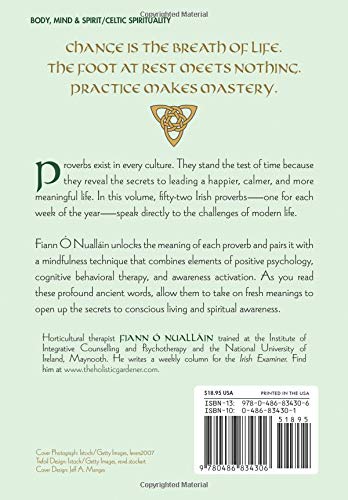
If you want to learn some techniques from modern psychology and from the wisdom of the ancient Irish mind-set then there are plenty in my book by time is everything revealed.

Available in all good bookstores but here is a link to a St Patrick’s weekend discount – https://www.bookdepository.com/By-Time-Is-Everything-Revealed-Fiann-Onuallain/9780486834306

Posted in Growing mindful | Tagged , , , , | Leave a comment

make war and love (your garden)

The month of March is named after Mars – the roman god of war. Apparently because the narrow passes of the Alps began to thaw at this time of the year, becoming passable again and so the Roman legions could go back out to conquer new territories or send reinforcements to older ones. There actually might be something more universal in that ‘March action’ mind-set , as the ancient Irish Fianna (the warrior class) would happily rest up all winter and then start back training and regular hunting come the green shoots of this time of year.

It is a timely reminder that March thaws also bring the beginning of pest season. So maybe its the right time to take a deep breath and go to war.

Vine weevil (Otiorhynchus sulcatus) is an enemy in two parts or more to the point two stages: the young aka the grubs will eat the roots of ornamental plants and many fruiting bushes and strawberry patches, while the adults are voracious pests – munching unsightly notches out of leaf margins. The adults will be emerging soon and will stay active eating and lying until summer. Some years the grubs continue to inflict unnoticed damage over the entirety of a mild winter – and those plants that appear dormant but you anticipate are ready to spring back to life are possibly rootless and dead and will not be burgeoning on schedule.

Sticky traps really work on the adults; you can get garden centre tap traps but those same one to keep flies out of the kitchen or greenhouse work a treat, simply mount on a stick and put it near infected plant. For the grubs, it’s to enlist the help of a biological control agent, not mustard gas or novichok but some simple pathogenic nematodes (Steinernema spp being the most popular). These grub-killing machines come in a sachet and are added to a watering can and delivered to areas of need in minutes. Best time to deploy is autumn. There are also adult-attacking nematodes available in local garden centres.

Slugs and snails (various species) – the old enemy, but the old tactic of slug pellets is not best practice if you like wildlife and want to be more organic. I know there are organic pellets available but beer traps do work and so does a sachet of mollusc-infecting nematodes (Phasmarhabditis hermaphrodita) too. Harsh grit around prize plants is too rough for them to crawl over; the eggshells only get washed away. Personally I never had much success with copper wire or the other barrier methods. Slugs and snails are active all year, they mostly work at night but we often think they are hibernating for winter, they are not really, it’s just a diminished food supply. Now that you are back sowing and planting, they can sniff out the feast and will soon gate crash the party.

Aphids (various species) are another perennial pest and as good as year round enemies in mild years, if you have a polytunnel or green house. The garden variety is readying now. They don’t just suck all the sap from our seedlings and plants but they also potentially transmit virus disease as they go from plant to plant. Those yellow traps will lure many to a sticky end of slow starvation but I find you can’t beat a good drowning in garlic spray. The garlic is toxic to them. The old trick of sudsy water was effective because it formed bubbles over their breathing holes and they suffocated. The garlic is a bit more humane but also higher success rate. Plus who knows exactly what chemicals are in the washing up liquid, hand soap or horti-soap to be absorbed by your edible plants and later by you. You can also wipe/squish them off between finger and thumb or encourage ladybirds that individually eat around 5000 aphids per year.

Allium Leaf Miners (Phytomyza gymnostoma) are prepping for a first emerging generation right now and they will soon be laying into onions, garlic, shallots, chives and leeks. The maggot will burrow in deeper and feed off the insides of your crop, triggering rot. There currently is no commercial sprays, organic or otherwise on the market. And the normally reliable garlic won’t work on a pest that feeds off garlic. The best line of defence is to cover standing crops with horticultural fleece or a protective fine-mesh netting now. Crop rotation and planting out later is beneficial to stay ahead or out of reach of the soil wintering generation and the fly overs.

Top tip Expand your army: if your garden is more bio diverse then all of these pests are eaten in vast numbers. A few wild flowers and shaggy patches will entreat new recruits but also build some billets for the troops. Rove beetles and hedgehogs will appreciate an over wintering log pile, frogs and toads will be grateful for a wildlife pond or barrel and birds will take up the opportunity of a nest boxes or perchable cover – that’s as simple as a tree or hedge. A small but unkempt corner of nettles will do the ladybirds.

Posted in a healthier garden | Tagged , , , , , , , , , | Leave a comment

a spring clean can also mean a mind detox

It is good to declutter the shed or the house on a regular basis, many wait until the brighter days of spring to find their motivation. And sure enough a bright blue sky provides a hit of serotonin and a spark of get up and go. But how do you decluter past trauma and emotional baggage? How do you pack up the negative people cluttering up your thoughts and in the way of personal growth and genuine progress?

here is one of the tips from my book – by time is everything revealed.

guilt free breaking away from negative people or from people with whom we have a hang-up or guilt bond.

For all sorts of reasons we can accumulate people that are not good for us but with whom it is hard to walk away from. Or have encounters that linger in our heads. It may be an Ex, an old friend who hasn’t moved along with your life changes, it may be the psychic ones – a dead relative or someone still living whom you have regret about.

I am talking about the people who populate our headspace and drain our emotional reserves. You need to break that connection. We can often take a short interlude from this situation when times are good and busy but then return all too soon to those old emotions and preoccupations. The success is in sending those preoccupying people on their journey, on a journey out of your life.

This exercise is the power of visualisation to flight simulate your mind in to thinking about those people as no longer around.

Picture an old steam train, like one from an old movie – with a brass band on the platform, balloons, buntings and flags everywhere; this is the maiden voyage of a once in a lifetime luxury trip – a trip away into happiness and resolution. All the people you need out of your head, are here. They are all smiles with a big golden ticket in their hands. They are going on this journey.

You feel no enmity towards them, or them towards you. They are smiling at you, joyous, laughing – there is no hard feeling, sorrow or pain here. They are winners of the golden ticket to someplace else. You show them onto their carriage, they wave at you out the window. You blow the whistle and the train departs – they are happy to go, waving back at you and you are happy to have sent them off. Let them go.

Now they are gone. Feel the relief. Trust that the connection is broken in a beautifully positive way. You wish them well on their journey, they are happily gone. Live your life now.

the trick is that sending them off with everyone happy removes guilt and unease, it doesn’t allow doubt to linger- they were happy to go. You are happy they went. All is good.

to find more methods European and American  editions  are available from usual online bookstores and in your local bookshop.
                                        

Posted in Growing mindful | Tagged , , | Leave a comment